The Nature of Luck in Gambling
Luck has long been a pivotal concept in the world of gambling and casinos, inherently tied to players’ experiences and outcomes. To many, luck is an unpredictable force that influences results in games of chance. Unlike skill-based games where strategy, knowledge, and practice can affect the outcome, games like slots and roulette are primarily governed by random number generators and chance. Players often seek out a fast withdrawal casino to enhance their gambling experience, as this randomness often leads them to believe that luck is a quantifiable entity, yet the essence of luck is much more nuanced and subjective.
When players enter a casino with high hopes, they often rely on the belief that luck will favor them. This belief can stem from personal anecdotes, such as winning streaks or significant jackpots achieved seemingly by chance. In this context, luck feels tangible and quantifiable, but it is essential to recognize that individual outcomes in games are not consistent indicators of future success. The very nature of probability suggests that each game is independent, making the quantification of luck more elusive than it appears.
The psychological aspect of luck also plays a significant role in how players perceive their chances of winning. Cognitive biases, such as the illusion of control and the availability heuristic, contribute to players feeling that they can influence their luck. For instance, a player may think they can choose lucky numbers or have a special ritual that will tilt the odds in their favor. However, while these beliefs may enhance the gaming experience, they do not change the underlying probabilities or allow luck to be measured accurately within the context of casino games.
The Role of Mathematics and Probability
Mathematics serves as the backbone of casino games, providing the framework for understanding odds and probabilities. Games like blackjack, poker, and baccarat incorporate elements of skill and strategy, allowing players to make informed decisions that can alter their outcomes. In these scenarios, players can utilize mathematical principles to increase their chances of winning, which contrasts sharply with the pure chance involved in slot machines and similar games. This distinction underscores the argument that while luck plays a role, outcomes are often better explained by mathematical odds.
In a casino, every game has a predetermined house edge, a mathematical advantage that ensures profitability for the establishment over time. Understanding this concept is crucial for players hoping to quantify their luck. For example, if a game has a house edge of 5%, it means that, on average, players can expect to lose 5% of their total wagers over time. This statistical reality highlights that luck, while it may lead to fluctuations in short-term outcomes, ultimately aligns with the long-term expectations defined by the rules of probability.
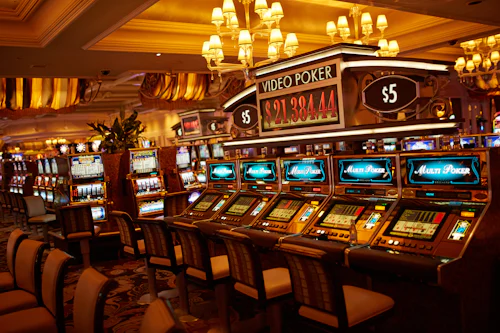
The application of probability theory in gambling reveals another layer of complexity concerning luck. Players often misconstrue winning trends and losing streaks as signs of changing luck. However, the law of large numbers dictates that as the number of games increases, the actual outcome will tend to converge to the expected probability. Thus, while luck may manifest in the short term, it is ultimately bound by mathematical principles that clarify how likely certain outcomes are, making true quantification of luck challenging if not impossible.
The Impact of Experience and Skill
While games of pure chance emphasize luck, many casino games also require skill and experience. In poker, for example, skilled players can read opponents and make calculated bets, tipping the balance away from luck and towards strategy. This skill allows these players to experience wins more consistently than novices who rely solely on luck. In this regard, the quantification of luck becomes subjective, as experienced players often see their favorable outcomes as the result of their expertise rather than mere chance.
Moreover, the psychological component of skill can alter players’ perceptions of luck. When players develop strategies that yield consistent wins, they may feel as though they possess a higher level of luck. This feeling, grounded in their ability to influence outcomes through skillful play, can blur the lines between luck and skill. Ultimately, while luck remains a crucial factor in many casino games, experience and skill can significantly alter players’ perceptions and experiences of gambling.
This interplay between luck and skill prompts a deeper examination of how players define their successes and failures. A skilled player may refer to a successful game as “lucky,” attributing their win to fortune, while a novice may simply feel defeated by their lack of luck. This highlights how individual perceptions of luck are inherently tied to personal experience and mastery, complicating any attempt to quantify luck across varied player experiences in the casino environment.
The Influence of Psychological Factors
The psychological aspects of gambling cannot be overlooked when discussing the quantification of luck. Cognitive biases and emotional states can heavily influence players’ perceptions regarding their luck in a casino setting. For example, individuals often fall prey to the “gambler’s fallacy,” where they erroneously believe that past events affect future probabilities. This fallacy can lead players to perceive that they are due for a win after a series of losses, which creates a false sense of luck that may not reflect the actual probabilities.
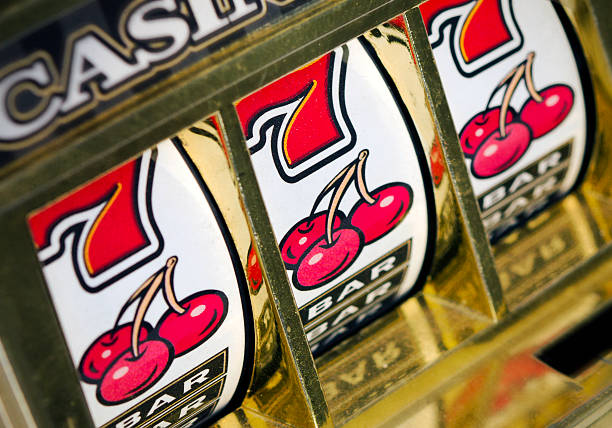
Additionally, emotional states such as excitement or frustration can alter how players experience luck. When a player is on a winning streak, they may feel empowered by luck, leading to riskier bets and potentially detrimental decisions. Conversely, during losing streaks, players may feel hopeless and view themselves as “unlucky,” which can impact their enjoyment of the games and decision-making processes. These psychological factors highlight that luck is not just a mathematical or statistical phenomenon but also deeply intertwined with human emotions and cognitive biases.
The role of social factors also plays into perceptions of luck in gambling. Group dynamics and the shared experiences of playing in a casino can augment feelings of luck. Players often share stories of their big wins or losses, creating a communal narrative that reinforces beliefs about luck. This collective experience can further complicate any quantification of luck, as individuals may rely on anecdotal evidence and social influences instead of objective data. Understanding these psychological and social factors is integral to comprehending the elusive nature of luck in a casino setting.
Conclusion: The Elusive Nature of Luck
Ultimately, the question of whether luck can be quantified in casinos remains complex and multifaceted. While mathematical principles give players a framework from which to understand probability, variables such as player experience, skill, and psychological factors significantly influence perceptions and experiences of luck. In many cases, the line between luck and skill becomes blurred, making it challenging to draw definitive conclusions regarding the quantification of luck.
As gamblers continue to navigate the world of casinos, they will inevitably encounter luck in its many forms—both as a principle of chance and as a subjective experience. Understanding this duality may help players find a balance between relying on luck and employing strategies to improve their success in gambling environments. While luck may not be entirely quantifiable, its impact on the gambling experience is undeniable, shaping player behavior, perceptions, and outcomes in profound ways.
The exploration of luck in casinos remains a captivating subject for players and researchers alike. As individuals seek to understand their fortunes and experiences within the realm of gambling, it is essential to recognize the limitations of quantifying luck amidst a landscape governed by chance, skill, and psychological influences. In this ever-evolving arena, the quest for luck continues to unfold, inviting both excitement and uncertainty for all who dare to play.

